

The Power of Intentional Networking in Supply Chain and Logistics With Katie Date
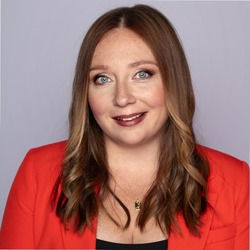
Katie Date is the Senior Vice President of Industry Relations and Strategic Initiatives at Manifest, which was acquired by Hyve, where she builds strategic partnerships, drives event growth, and shapes industry-relevant content for the global supply chain community. She spent over a decade at the MIT Center for Transportation and Logistics, where she led industrial relations, executive education programs, and global collaboration across the SCALE network. With more than 20 years of experience across the supply chain ecosystem, Katie advocates for gender diversity and inclusion in the industry.
Here's a glimpse of what you’ll learn:
[3:39] How Katie Date entered the supply chain industry through an unexpected internship
[5:30] Why Katie joined MIT and her role bridging industry and academic research
[6:30] Katie talks about building global supply chain programs and launching the Women in Supply Chain initiative
[10:20] What makes Manifest unique and how the team intentionally curates the event ecosystem
[12:33] How creating a fun, human-centered environment improves networking and engagement
[16:16] Katie’s method for supporting and protecting shippers while enabling meaningful participation
[22:14] Creating meaningful industry content through podcasts
[28:24] Key findings from Katie’s research on women in supply chain leadership
[34:38] How to structure effective mentorship relationships with accountability and clear expectations
[40:17] A key career lesson Katie learned about leadership styles
[42:19] Katie’s perspective on AI trends and the importance of understanding its real-world applications
In this episode…
What does it take to build meaningful connections in a fast-moving, tech-driven industry? In a field flooded with automation, events, and digital outreach, standing out — and building trust — can feel daunting. So how can professionals cut through the noise and create lasting relationships?
It starts with being intentional about relationships, says Katie Date, a supply chain leader with experience in industry collaboration and research. She emphasizes quality over quantity by targeting the right people rather than taking a “spray and pray” approach to outreach. Katie also recommends cultivating both sponsors (who advocate for you when you’re not in the room) and mentors (who support your day-to-day growth), while following through consistently to build trust. Meaningful relationships are built through authenticity, clarity, and long-term thinking.
In this episode of The Tao of Pizza Podcast, Mark Hiddleson talks with Katie Date, SVP of Industry Relations and Strategic Initiatives at Manifest, a Hyve Group company, to discuss building meaningful relationships in the supply chain industry. Katie shares her journey into the industry, how intentional networking drives outcomes, and key lessons from her research on women in leadership.
Resources mentioned in this episode:
Specialized Storage Solutions, Inc. contact phone: 707-732-3892
Mark Hiddleson's email: markhiddleson@aol.com
“Carrier Vetting Best Practices: How To Protect Your Freight From Fraud With Danielle Spinelli” on The Tao of Pizza Podcast
Quotable Moments:
“People really crave that connection. But what we do that's different is we really curate the audience.”
“We intentionally bring together the startups and the investors and all of the service providers and shippers.”
“More than ever, I'm seeing more of a spray and pray approach, and I feel like that's not effective.”
“The most important times that you need to be talked about typically are not in the room.”
“The supply chain is really small, so you need to make sure that you're taking care of your relationships.”
Action Steps:
Be intentional about your networking: Focus on building relationships with the right people instead of reaching out to everyone indiscriminately. This improves the quality of your connections and increases the likelihood of meaningful, long-term collaboration.
Cultivate both sponsors and mentors: Seek out sponsors who advocate for you in key moments and mentors who guide your development. Having both ensures you are supported strategically and personally as your career grows.
Follow through on every connection: If you say you’ll follow up, make it a priority to do so promptly. Consistent follow-through builds trust and reinforces your reliability in a relationship-driven industry.
Avoid “spray and pray” outreach tactics: Take time to understand who your ideal audience is before initiating contact. Targeted, thoughtful communication leads to better engagement and avoids damaging your professional reputation.
Invest in long-term relationship building: Treat every interaction as part of an ongoing relationship rather than a one-time transaction. Strong relationships compound over time and often lead to unexpected opportunities.
Sponsor for this episode:
This episode is brought to you by Specialized Storage Solutions Inc.
Listen...
I have been in the logistics and storage industry for several decades. I know I don’t look that old, but it's true.
We provide industry-leading warehouse storage solutions nationwide.
So basically, if you have a warehouse that needs Rack, Shelving, Carts, Conveyors, or Mezzanines, we help with....design engineering, installations, inspections, and repairs to help clients optimize their logistics operations.
Sometimes people don’t even realize that we can actually help with permit acquisition services.
We take a holistic look at your entire business supply chain ecosystem to develop the resources for continually improving your operation.
To learn more, visit specialracks.com or give us a call at (707) 732-3892. One of the best ways to learn more about our products and services is to follow us on Instagram. And there’s a link on our website to do that.
I will even give you my personal email address for podcast listeners, so email me at markhiddleson@aol.com if you’re ready to take your warehouse storage and retrieval systems to the next level.
Powered by Rise25 Podcast Production Company
Episode Transcript:
Intro 0:01
Welcome to The Tao of Pizza, where we feature top logistics leaders, entrepreneurs, and supply chain innovators and share their inspiring stories with a holistic twist.
Mark Hiddleson 0:14
Mark Hiddleson here, host of The Tao of Pizza Podcast, where I talk with top industry innovators in the warehousing, logistics, and supply chain business with a holistic twist. Before I introduce today's guest, this episode is brought to you by Specialized Storage Solutions, Inc and I've spent decades building warehouse systems that actually work. And after conversations with clients and peers at Manifest in Las Vegas, one thing is clear, innovation only matters when it shows up on the warehouse floor. A specialized storage solution. We provide industry-leading warehouse storage solutions nationwide. So if you have a facility that needs racking, shelving, carts, conveyors or mezzanines, we help across the full life cycle, design, engineering, installation, inspections and repairs all focused on real throughput, real people and real constraints. And here's something many people don't realize, we actually help with permit acquisition services. Yeah, we handle the red tape so you don't have to. We take a holistic view of your entire supply chain ecosystem, blending physical infrastructure with modern thinking around automation, flow and adaptability to help our clients continuously improve, not just install and move on. So to learn more, visit our website at specialracks.com, give us a call at 707-732-3892. And just for podcast listeners, I give my personal email, which is Markhiddleson@AOL.com Yeah, I still use AOL, and am proud of it. So if you're ready, design warehouse systems built for where the industry is going, not just where it's been. Drop us a line and then one more quick shout out before introducing today's guest and give a big thank you to Nathan Chaney of the supply chain. He podcast. He didn't introduce me as today's guest, but I saw Katie on his show first. So check out The Supply Chain Podcast. They specialize in helping connect supply chain professionals through creative content and experiences. So today we're joined by Katie Date. And Katie is the Senior Vice President of industry relations and Strategic Initiatives at Manifest the future of supply chain and logistics. Katie brings a rare mix of industry depth and ecosystem level perspective. Having built programs and communities that connect shippers, innovators and operators, shaping the future of the supply chain, she's right at the center where strategy meets execution. Katie. Welcome to The Tao of Pizza
Katie Date 2:38
Thank you so much for having me, Mark. I'm excited to talk about all things Manifest, and learn more about your experience and talk about what's coming up next.
Mark Hiddleson 2:49
Yeah, this is, I think I told you on the invitation that I had a client. We have a ski trip that we do every year, and it's sort of business. It's sort of a pleasure, because we own businesses. We do end up talking about it. And my client is a third party warehouse, and they really want to stay at the cutting edge. And I've been told we missed Manifest a year before because of the ski trip, and he called me about a month before and he said, bro, we gotta cancel the ski trip. Reschedule. We didn't cancel. We rescheduled because we have to be at Manifest. So I'm sure we'll talk more about that, but we were not disappointed by seven or 8,000 people. Really cutting edge, great energy. So before we get into that, share a little bit about how you got into the supply chain business. Your background gives us a little, a little background.
Katie Date 3:39
Yeah, absolutely. So I am very typical in that I really stumbled into the supply chain. I went to college, and I thought I wanted to be in communications and work for a professional sports team. But jokes on me. As you know, many people in the supply chain, you know, while you're in college. And again, this is, you know, the 90s, you have to do some internships. And so I did an internship at a distribution center for a home improvement store in the Midwest. People may be familiar with it, Menards. It's like, it's like Home Depot, and Lowe's here on the East Coast, but very, very Midwest centric. And was the only female that decided to do this internship, and was at the distribution center, and really just fell in love with moving stuff and just really the, you know, the fascination of, you know, we were getting tile from Italy, and, you know, bringing in wood from, you know, the north of Wisconsin, and just things coming from all over. And it just really was fascinating to me. So that's kind of how I started. My foray into supply chain, not even knowing what supply chain was, and I don't even know if we called it supply chain, you know, back in the late 90s. And then I went on to do some operational rotation programs with Enterprise Holdings and with Starbucks, and did a little bit of consulting, always keeping that kind of love for operations. And while I was in consulting, did a project where I started to work with MIT and the Center for Transportation and Logistics, met the executive director there, and he's like, you know, I have been looking for someone who can bridge the gap between our corporate partners, because they did, you know, a lot with with industry. They were very industry focused, and still are today. And you can really, you know, speak the language, but can also speak with our research team, and kind of bridge that gap. And so I kind of took a leap of faith not being a true academic in any stretch of the imagination. And I was in 2013 and really, you know, fell in love with supply chain and everything that moves, and just really immersed myself in every aspect of the supply chain. I made some amazing relationships with different corporate partners. I helped open international centers that did the same thing as that center research, outreach and education throughout the world, so in China and Malaysia, in Spain, and Luxembourg, and really got the opportunity to learn the global supply chain. And as a part of that, I started a research initiative in supplier diversity and inclusion and founded the MIT women in supply chain initiative. And that was in 2017 I did a lot of research during the pandemic around you know, the use of diverse suppliers and how they were able to be more agile, ended up getting published in Harvard Business Review. And at that time, Manifest was just like a baby, little seedling that they were developing. And they reached out to me in 2023 to be a keynote speaker at their second Manifest conference. So the first one was during the Omicron wave, and this was like their debut, making a splash. And so they invited me to come and talk about the research that I have been doing at MIT for the last, you know, decade. And I really, you know, Manifest was still small at that point, but I really, I fell in love with the team and what they were doing, and had this, you know, very serendipitous conversation backstage after I got done with my talk with Courtney Muller, who's the president of Manifest, and she's like, would you consider coming and working with us? And at that point, um, you know, I had been doing not the same thing, because I got to do a lot of really cool things, you know, for 10 years, and this just seemed like a great opportunity to be a part of something magical. And now fast forward to 2026 we just had our fifth Manifest, and I can confidently say that my gut was right. This is something very magical. And you know, we just had a Manifest event with over 7500 supply chain professionals coming together to talk about, you know, supply chain tech and innovation, and you know what's going to happen in logistics in the future, um, and so here we are.
Mark Hiddleson 8:56
Yeah, that's what a journey. So 10 years, I had no idea, 10 years doing research at MIT. Yeah, that is amazing. So you're invited to be a guest speaker, and that's the serendipity of how it works. Well, I want to get into Manifest, because there's something. I've attended a lot of events. I've built a lot of my career over developing strategic partnerships, learning about the industry, because, you know, we do rack shelving systems, but it all coordinates with software and really people. And there's something I want to talk a little bit about, the magic. I'm glad you called it magic. There. There is something different about the way relationships are created, you know, so how much like, how do you create the magic? I mean, what's your secret formula? Because I go to a lot of events and just there's a higher level of connection. So I made more, you know, what I would call intimate connections, where it's more than just, hey, what do you do? And they're like, Well, we're a B to B tech stack for data. You walk away, you're going, well, I don't understand what any of those acronyms mean, but nice to meet you. Manifest. It seems like it was very human. I guess that would be a good way to describe it. And then the buzz that's happening afterwards, people are staying in touch. People are following up. So what give us some behind-the-scenes, like, what do you think creates that magic that allows
Unknown Speaker 10:19
Yes, so, you know, I think a little bit of it is the environment that's been created post-pandemic. People really crave that connection. But what we do that's different is we really, you know, curate the audience. We're really intentional with making sure that we're inviting the right kinds of people to be there with the right mix. We're very intentional that it doesn't sway too far in one direction from the very beginning. The mission of Manifest was to be an ecosystem event, and so many supply chain events out there focus just on, you know, one vertical. It's a logistics conference, or it's focusing on warehousing, or, you know, it's, it's just for shippers. And shippers are very protected, and, you know, they just talk to each other. We intentionally bring together the startups and the investors that are investing in the ecosystem. And you know all of the service providers, and you know all of the shippers, the retail, the brands, the manufacturer, the distributors, all in one room together and try to facilitate meaningful conversation. Some of that is created by our tech that we have, you know, our one-to-one meeting zone, where we match people to make meetings. But a lot of it is just created by, you know, the positivity and energy of the audience. Part of that's because it's in Vegas. I think people, you know, are able to, maybe, you know, let their hair down a little bit, but you know, from the very beginning, we've never taken ourselves too seriously. There's always been a real focus on the activities in the Expo Hall being fun, so puppies and roses and a beer garden. And, you know, really the anti, you know, stiff white shirt and tie kind of environment we've, we've really been intentional with that.
Mark Hiddleson 12:25
Yeah, the rose all day was, and I forget, was that a separate booth, or was that a vendor? It was, yeah, it was, it was a separate, yeah, it was a, it's a sponsored activation, yeah,
Mark Hiddleson 12:39
yeah. So it wasn't a particular, was it who sponsored the rose all day? Because they need credit, because that was great I'll turn myself in from Napa Valley. I would hit the rose kind of early on some of those days. And it does a lot of great conversations happening there, you know? Because, yeah, it is kind of fun. Like you said, your guard is lowered down. And I wanted to mention the tech too, because there was an AI in your system. You could fill out a profile when you registered. And like, I always, I don't like to get the app for the events, right? It's like, I'm not going to get the app. But I talked to somebody, I'm like, Do you have any suggestions? I'm going to this? What are they doing? They're like, you have to do the app. So I said, Okay, I'll do the app. Filled it out and it was based on my interest, who I wanted to meet, our company, what we're looking to. It gave me recommendations out of 7500 people. It's like, here's the 30 people you want to try to meet. So it's amazing. So I've turned myself into a believer. I was like, Oh, I don't need the app. I'll just wander around and find a way around. But wow, what an effective way. And then the meeting spaces. So share a little bit about how that evolved, because you're at the 7000 conference. How do you meet up with somebody and you've got little numbered circles, or there were tables? The tables were really cool. How did that evolve? And how's that working?
Katie Date 14:01
Yeah. So as we grew from one event, you know, that was attracting right around 1000 people to now an event that you know is over 7500 we've been very intentional with trying to keep that, you know, small, intimate connection feel. And one of those is creating a meeting space where you're not struggling to find, you know, what coffee shop should we meet at, or what corner? Like everyone knows you go to the meeting zone in the app, you're able to program in the table to meet at. You have that dedicated time so you're not fighting, you know, with someone else to get that table. And you know, the biggest problem is now when the meeting zone gets filled up during the expo hall hours, but you know, it's, it's a huge zone, and we just keep making it bigger every year. So it's a great problem. Yeah, well,
Mark Hiddleson 14:56
we had a meeting at table, I think it was table two or something, and we got. There in table two, somebody else they're meeting around long so table two wasn't available. So I don't look at that much track, because you have your time, right? So the app knows. One of the amazing things about it, it's like you've got 50 tables, and they're all booked in 15-minute increments, but there was an empty table nearby, and, you know, it just kind of works well, like you meet up a table too, and you're not locked in. You know, that's the flexibility, adaptability of this blockchain, right?
Katie Date 15:25
We just took it and rolled with it.
Mark Hiddleson 15:27
Yeah. So I wanted to ask you a specific question, because you mentioned curating and creating an ecosystem. Ecosystem is a word I've been using for a long time now. Like everybody, I'm like, Yes, everybody is, how are you because, to me at this, really the shippers, especially peer to peer learning, I think peer to peer learning is really important. And if, like, I go to modex and pro Matt every year, and that's a lot of, you know, material handling, the conveyor systems and all the like, solution provider, I think he would put his innovators, or in your, you know, you got the shippers, the innovators, and then how do you get the shippers to go? Because, like you said, everyone wants more shippers, but then they're the client, so everybody's trying to meet up. So what's your secret for getting the shippers involved? And you know they're they know they're going to get across.
Katie Date 16:16
Yeah, so I am, I am ferocious in trying to protect the shippers, because those are, those are my people, and I try as much as I can to help them navigate. So we do have a hosted shipper program where we, you know, help them, you know, curate their agenda. We make meeting suggestions. We have round tables that are specifically for them to meet up with each other. We have a hosted ship or lounge where they're able to go and just connect with each other. But the simple fact is, in this day and age with AI, like, there's, there's only so much that I can do to protect them from like, the 1000s of outreaches, and I'm hoping that we swing in the other direction a little bit, because this year, I was even starting to get phone calls and email outreach, and I'm like, I'm not your customer. Like, you need to really narrow in on your ICP a little bit, because I'm not going to buy your solutions.
Mark Hiddleson 17:22
Yeah, it's interesting. It's one thing. It's one opportunity to think on LinkedIn. I get pitched a lot of stuff that's not even real to me, and I'm like, wow, I have a really good online profile of you could tell I have a host of podcasts. So if you learn anything about me, then you would realize, you know, what would be a great strategic partner, referral partner service we can use. It's amazing that people do not do enough homework. Just ask for a meeting, ask for a meeting, ask for a meeting. And instead of being more targeted, what?
Katie Date 17:50
Yeah, more than ever, I'm seeing more of a spray and pray approach. And I feel like that's something companies don't want to do. I mean, you know yourself when someone is reaching out to you, you know, five times and you're not there with their customer profile like you get frustrated, you're not going to want to work with them. So my hope is that we swing away from that a little bit, that, you know, companies will learn that relationship ultimately, you know, at the end of the day, is, is the way that you, you make business successful. But we're in a unique time with AI right now and all these different ways to automate outreach and sales. It's really interesting to me.
Mark Hiddleson 18:39
Yeah, my old boss was on LinkedIn. This happened a few years ago. This was, like, probably five or six years ago, I got an email. Was my old boss inviting me to coffee on LinkedIn as a DM. I'm like, Oh, this is cool. I don't really ever do this. But then as I responded, I could tell that this response back. I'm like, wait a minute. This isn't my old boss. This is some kind of bot engaging me, thinking,
Katie Date 19:01
Yeah, I'm
Mark Hiddleson 19:02
gonna have this nostalgia. So I was kind of mad, but I did call him anyway. I was like, Hey, dude, work. It worked, but it's not, I mean, in a cold, you know, in a cold call, it's not, right? It's kind of irritating. But, uh, I hadn't really thought about that automated outreach. And we don't even send emails like, I published a book in July, and for the launch and everything you need to send emails like, okay, it's coming out in a week, and wherever, and the publisher goes, Do you want to send us emails or have us? And I'm like, you guys send it, okay? Because I'm not sending people five emails a month. And I just don't do that,
Katie Date 19:43
yeah,
Mark Hiddleson 19:43
but a lot of automated systems, they are, yeah, yeah, phone, text, email. So anyways, Manifest was really good about the people who followed up, too. That's another thing I know. For me, for networking, it isn't that you met 400 people. Like, how many did you actually follow up with after
Katie Date 20:03
Yeah,
Mark Hiddleson 20:04
so I interviewed, I don't know if you know Danielle Spinelli, the fraud girl.
Katie Date 20:09
Oh yeah.
Mark Hiddleson 20:11
So rock stars. I interviewed her earlier this week. So your episodes will come out, one right after the other, but I was impressed. And I mean, you can meet with somebody even though she's not an ideal client for us, she's an ideal solution for, maybe for some of our clients. So I can learn, get more educated, so that I can introduce people, and then she knows more about what we do, so she has, you know, mutual friends we can share. So that's
Katie Date 20:39
about relationships. Like, that's the, you know what? I mean, like, it's all about curating those and taking the time to create. You know, maybe they're not the right, you know, necessarily customer for you, but it's a resource, and you can be a connector because you took the time and then just, you know,
Mark Hiddleson 21:01
yeah,
Katie Date 21:01
pass her up.
Mark Hiddleson 21:03
Yeah, yeah. And then she is funny, I forget. I'm pretty sure she followed up. And so when she followed up, and at the time, when we met on the floor, Manifest, I didn't realize she had a podcast. But then when she reached out to connect on LinkedIn, wait a minute, she's a podcast host, and that's one of the thing, one of the my goals for going there was to connect with other podcast hosts, you know, because I'd already met Nathan and I know Kevin Lawton for the new warehouse. Do you know you have to
Katie Date 21:29
Yeah, Kevin's Awesome. Yeah, I've been in Kevin's show a couple times.
Mark Hiddleson 21:31
So I wanted to ask you a question, because now it seems like everybody has a podcast, and I'm like, Well, for me, when I did it, I've been kind of looking into the future. Like, to me, I think podcast is kind of replacing, like, when I started my company in 2005 everybody had a website. And I don't really feel like I need it, like, I don't need a website. I got a yard with 100 truckloads of rock. I was gonna sell it, but I got a website just because it was good advice. And I think now I think of podcasts just because it's different it's a more personal interaction. You can have specific conversations. It's a real person. So how are podcasts? What does Katie Date take on how podcasts are making a contribution to the industry?
Katie Date 22:14
Yeah, absolutely. So we have dedicated space at Manifest for people to do their podcasts in the podcast booth. So we, as Manifest, firmly support podcasts. I think it's a great way to be able to get differing, you know, perspectives out there into the world. Personally, I don't say yes to every podcast, because there are a lot of people that reach out to me specifically because of the MIT connection. Everybody sees MIT, and they're like, Oh, I do my homework. I want to make sure that you know, the people that I'm talking to on a podcast are actually making a difference in the industry. And I've actually given some feedback to not to characterize, but they're typically younger podcasters wanting to kind of throw spaghetti at the wall. And you know, I've told them, make sure that you have a pretty clear call to action for your podcast before you start going out, because, to your point, you need to be able to contribute to the industry. You need to make sure that your podcast is in an area where you're uncovering, you know, something unique. Maybe it's even your personality and how you, you know, approach conversations. For example, I think you know Nathan Cheney, he has a very distinct, you know, kind of style that he does on his podcast. And, you know, he talks about the supply chain in general, but he does a good job with with the interaction with his guests and so really encouraging them to, you know, before you just, you know, open up your zoom and, you know, start a podcast, make sure you know where you're trying to go a little bit with it, because, to your point, there's a lot of podcasts out there. And the last thing that I want to do is just be more noisy out there. I want to make sure that you know the way that I'm contributing to the supply chain is a way that's going to help move the needle?
Mark Hiddleson 24:22
Yeah, well, I didn't know about MIT. Well, I'm super stoked about getting that as a free bonus point. And I really, I've been telling people about Manifest even though I think I either missed one or two years. I know I missed one year for sure. And I was like, damn, next year I'm gonna go to that. Because I just saw the people who were going in my network and what it was all about. So I'm hoping this will, this will promote man, and I've been talking about a buzz. I have this hat I got from giotis, pretty sure that was their swag. And it's got a interstate logo, and it says Manifest 26
Katie Date 24:55
Oh, cool. Yeah,
Mark Hiddleson 24:56
interstate, like a highway, you know, like the little interstate, the. Blue and red,
Katie Date 25:00
yeah. And
Mark Hiddleson 25:01
then it says Manifest, 26 and so, you know, Manifest, it has multiple meanings, right? There's like, a shipping Manifest, but then there's like the Manifesting, like, making things happen. I get more compliments at, like, I don't usually wear a hat to appointments or anything, but, like, I've been wearing it to clients so that they'll, they'll ask me about
Katie Date 25:20
that. So cool.
Mark Hiddleson 25:22
So I want to talk about you guys are moving into Europe. So share a little bit about that. I saw something on LinkedIn. So just that's exciting. Because to me, Europe is like 20 years ahead of us when it comes to automation, making the most because their labor costs are so much higher, building costs are higher, so they're really squeezing more out of their their boxes and labor force?
Katie Date 25:45
Yeah, absolutely. So probably, like year two of Manifest, people started asking, like, Okay, where are you going to go next? And we've been very intentional with talking to both our sponsors and our ship, our attendees like, where do you where do you think we're needed? Because, again, we don't want to create noise. We want to go to a space and a location where we can contribute. So the first Manifest Europe will be in Portugal in October of 2027, so in southern Europe, there aren't a ton of logistics and supply chain events. You know, there are a ton that happened in Amsterdam, Germany, um, but we really felt like Portugal was a unique place. It's a port and a great place to launch Manifest Europe. So more details to come, but I hear October is a great time to be in Portugal, so I'm really looking forward to it. Another great wine place for you as a fan of Napa Valley?
Mark Hiddleson 27:03
I think I'm gonna put it on my wish list, because I'm I don't see any reason why I couldn't be there in October then I wouldn't always want to go to Portugal. What a great reason. Do you have a venue and do you already have a Do you have a website created where we can put a link in the show notes people can learn more about the dates and where it's going
Katie Date 27:21
to be? Yeah, we can definitely get you a link to put in the show notes with the exact date and and location.
Mark Hiddleson 27:30
So I was the question that I was dying to ask you in the thing, Nathan had a one minute clip. I don't know if you've seen it, but it was brilliant, because you were sharing, you know, and women have a lot of friends that are women in this industry and live to share that it's been a challenge. And in our business, especially selling equipment and racking a really good friend of mine is the president of our engineering company. She took cover for her father, and she says, it's a struggle. It's been a struggle to be a woman in this business. And I had no idea that you had studied or MIT and actually published a paper in Harvard Business Review. So what a great but your Cliff was, like, I got tired to explain to people. It's like, No, I'm not the Secretary, I'm the one leader. So share a little bit about what your studies, what you've learned, and I feel like there's a breakthrough. Like, I always think things are getting better and kind of overly positive, but share about your journey and how that's impacted your career.
Katie Date 28:24
Yeah. So we started at MIT, you know, the very end of 2013 and you know, when you start a new job you you know, you just kind of take for granted, you know, this is how things are. And like, a year or two into sitting down with, you know, these top, Chief supply chain officers of Fortune 500 companies, I started to ask like, why are there not more women in the room? Like, they're, you know, women naturally are good at, you know, managing supply chains. And so whenever in those meetings at MIT there, you know, was a woman I would latch on and start asking her questions, because I'm naturally curious, not ever intending that it was going to be a research initiative or that I was really ever going to do anything with it. I was just really genuinely curious. And after probably a year or so of doing that, my boss is like, you know, maybe you should formalize this. And so I sent out a survey to at that time, it was probably about 150 women that were in senior roles in our network, and started to ask them about their experience and really learn, and there were kind of forming themes that came out of their journeys. A lot of them had really good sponsorship, and that's how they were able to rise to the roles that they were in. The second was that they provided really good mentorship. So that caused me to start looking into like, what's the real difference between sponsorship and mentorship? And we could do a whole podcast on what I uncovered with that the third kind of pillar of it was traditional networking did nothing for these women in how they rose in supply chain. It was really like the informal networking and kind of learning how to network in ways that weren't necessarily the traditional and then the fourth thing, which was super surprising to me at the time, but really makes sense now, they all said yes to international assignments every single one of them had done an international assignment and led an international team. And what I kind of uncovered with that, and you know, in my role at MIT, I ended up taking on, you know, international assignments when we learn about how others run their supply chains. So back to your point about how Europe, you know, they run their supply chain a lot differently. When you start to learn about other parts of the business and take on those international assignments, it makes you a different kind of leader. And so I took those kind of four areas that all kind of had a thread of relationship in them, and just expand it out. And I did some summits, and I did a bunch of different working groups, and we published some papers around, excuse me, around it. And then the pandemic happened, and we couldn't get together as much anymore. So then I pivoted really into looking at supplier diversity and how these diverse suppliers were able to be more agile during the pandemic, for for suppliers. So yeah, that was kind of kind of my journey,
Mark Hiddleson 32:01
and I love the so would you mind, as you said, we could do a whole podcast, but I'd like the 30 to 92nd distinction between sponsorship and mentorship, because I think those are both. I mean, it's a big part of my career. I mean, I've been mentored by people like I didn't. I just was lucky that I ran into this person that kind of lifted me up. And so what's the difference just between a mentor and sponsor? It's a great yeah.
Katie Date 32:27
So, so a sponsor is typically someone who is, you know, maybe two degrees above you in an organization, and it's the person when you're not in a room, they're going to talk about you in a positive way. So whether it's a promotion conversation or taking on a different assignment, that person is really like your advocate and can talk well to your strengths. This isn't somebody necessarily that you're meeting with on a regular basis. You're not going to this person with like, personal problems or professional problems, but really someone who has your career and the trajectory of your career in mind, because the most important times that you need to be talked about, typically you're not in the room. So you need to make sure that someone who's in that position we'll talk favorably and say your name when it comes up. A mentor can be someone that's more senior than you, but really doesn't have to be. I've had really great mentorship that's happened with people that are more junior than me, and this is a person who you can, you know, reach out to and talk about, you know, day to day professional but also, you know, some personal development things. The one thing that I caution with mentor mentee relationships is to make sure that you're both getting mutual benefit out of the relationship. And just like a traditional relationship, it's okay to walk away and in a lot of the because I've done a lot of training with companies to set up mentorship programs within their organizations, and the one piece of advice that I give them is, if you're going to do formal mentorship programs in your organization, make sure that you have an upfront contract. And I know it seems like a little too formal, but it's truly a piece of paper that you can talk with each other about what you hope to get out of the relationship. And if you're not getting it out, then it's okay to walk away.
Mark Hiddleson 34:37
That's great. It is the contract. Is it just it's a higher level of accountability, and even if you never look at it again, Roman, you could look at it and go, we created this. Yeah,
Katie Date 34:48
right, yep,
Mark Hiddleson 34:49
that's brilliant. And also the and thank you for the sponsor, because I really didn't know, and I'm thinking of it in terms of, even if you're building your own, your professional now. Work. Those sponsors are out there because they are the ones who will give you a referral. They will, if it comes up, they will bring up your name, because sometimes it's scary. You don't know, I really don't know, what this person, if you put them under pressure, what's going to happen and but when you've earned that trust in somebody who, and that's with us a lot of times, I know the President of the company, or vice president or COO but our contact is the warehouse manager, maintenance manager. You know someone we need to borrow forklift if we're doing a project. But having the people that you're not in a direct relationship, but they know who you are. They know about you. Maybe you've seen them at Manifest. They're not your client, but you're doing business with their company. Actually had an experience like that at Manifest, where I met Luke. I can't think of his last name was coal track. They had a booth there, and we had just done a really nice project for them that was really, it was a quick turnaround. They wanted to move their pick to light system from one building to another, and they wanted to use their existing equipment. So we gave them some new equipment that they can move in, because you can't move your stuff onto the floor and then into the stuff. You've got to have something. So we just, it was really cool. And they were short, like, four beams at the end of the project. And I drove out with one of my project managers. I'm like, I'm in the neighborhood. I'm going to deliver, you know. So we had, they needed four beams, and we dropped them off so they could get their pick to light running. So I saw, I met at Manifest. I was talking to him, and this guy was saying, Tell him what this is. This is Mark. And I'm like, I explained him. He didn't really get it. Get it. But then when he saw who I was, because he was the one who made the decision at the top, but we executed with people on the ground, then he kind of grabbed me and pulled me in. But I I needed guy, because that guy had no idea who I was, but he's going right mark. This is Mark. This is your mark. And then once actually was when I gave him my business card. You know, Manifest had those cool one of the coolest things was, you could be people that,
Katie Date 36:47
yeah,
Mark Hiddleson 36:47
information,
Katie Date 36:48
the beacons, yep.
Mark Hiddleson 36:49
And was funny, because it would work two feet away. But I found everyone, we were like, touching them against each would work. But I gave him my business card. When he saw my business card, he saw the logo, and it's like, Oh, so that's kind of more like a sponsorship relationship, where we're not in direct contact, but if we're in a separate room and the subject comes up, or my name comes up, they'll know something about
Katie Date 37:10
he's going to recommend, yeah,
Mark Hiddleson 37:12
yeah. So thank you for that distinction, because I really, you know that's another thing, a huge takeaway for me to Manifest is there's all this tech, but it's really, it's the people and the relationships that matter most, and there's especially trust. And so it was really good to be in those conversations, because it's the Tech is one thing, but it's really people that make that make a difference. So what do you guys, what are your thoughts on that, and how do you, how do you approach
Katie Date 37:43
it? Yeah, I mean, I always, you know, whether it's you know, people that I'm, you know, just networking with, or, you know, I have relationships with a lot of former students that will reach out to me and ask for advice. I always tell them, supply chain is really small, so you need to make sure that you're taking care of your relationships. Don't be impulsive and, you know, set a bridge on fire because, you know you're upset, because I guarantee that that will come back to haunt you. You know, supply chain is such it's such a small world, and everyone knows everyone. So you need to make sure that you're not, you know, burning bridges, and that you're really nurturing your relationships. If you know to your to your point about follow up, you know, people did a great job following up. If you say you're going to follow up, make sure you actually do it, because those relationships matter. And yes, it's more work on the front end, but it will pay off in the end, because the one thing that I found out about supply chain and why I encourage so many you know younger people that are seeking careers to look into supply chain is it's really good people like you have to work hard in supply chain, but for the most part, you're surrounded by really good people that want to help you, that want to collaborate. So you need to take care of those, those relationships, because it'll it'll pay off in spades.
Mark Hiddleson 39:21
Yeah, it is a small industry, and it gets smaller and smaller. I mean, because the material handling gets even smaller than that, because just the warehousing industry or logistics is small, and what, what comes up for me is, what was I going to say? Well, somebody, so I asked, I was going to ask you, what's the biggest pitfall or mistake that you've made, but because, when I asked when I had Danielle, and she said, Well, she said, I was looking at my competitors as enemies, and like in this business, your competitors or your allies, because things could change. You could be on that. Team. You could be collaborating, or somebody could buy out something, you could always end up on the same team. So our competitors are really more of a resource than an enemy, but share something. What's something you've learned, where you changed your mind on something like that, or a mistake that you learn from?
Katie Date 40:17
Yeah. So early in my career, I felt like I needed to always, like, go in all guns blazing and like, over prove myself, and maybe got a little bit of a reputation as having, you know, a tough personality. And as I've gotten older, I've learned that taking, like, a more laid back approach to things tends to pay off a little bit better. You know, it's it's a lot more beneficial to prove yourself by what you know and what you can add, rather than being the loudest voice in the room. And that that took me a little while to to discover, because I felt like, you know, I always needed to be the loudest voice in the room when I, you know, needed to come across in a certain way. And it's just not the case.
Mark Hiddleson 41:15
Oh, so brilliant. Can you offer me a training on that laid back, but get sure you get in conversation, and it's, I call it the bully archetype. It's not really, it's a bully, but it's just a way of just like, forcing your energy, of like, and you're there, but when you go away, it's like, poof, grief, what relief. And then everyone kind of goes back to whatever they were doing. So that's a brilliant observation for yourself. Is something I've worked on, is just being more. I don't have to be. Sometimes I'm the biggest person in the room, just because I am, but I don't have to be so but I can't, I can turn it on if I have to. That's the other thing is I'm putting up on that. It's still a part of who I am, and I have it.
Katie Date 41:58
It's a tool in your tool belt, but it's not something that you need to, you know, go in with the big hammer every time.
Mark Hiddleson 42:05
I love it. That was so beautiful. So I like to ask questions, are you using any new tech that you want to share? You know, anything new that you're using?
Katie Date 42:19
Yeah. So I am a very curious person by nature, and so I I'm constantly, you know, while I'm not using any tech necessarily, in my job, I like to try to stay up to speed with, you know, what's going on in the industry, so that I can, you know, talk to our our customers. And the thing that I've learned the most is there are a lot of companies out there that are saying they're using AI, but that's the extent of it. Like they're just saying they're using AI because it's the cool, you know, kind of fuzzy word. And I any leader that I talk to, I really encourage them to go out and make sure that you have at least a baseline understanding of the appropriateness of using AI in your company, because just because it's the buzzy word, it doesn't necessarily mean that it's going to be the be all, end all for your for your organization.
Mark Hiddleson 43:26
So any, what about your personal hobbies or anything? What do you enjoy doing if you're not orchestrating the most magical logistics and supply on Earth?
Katie Date 43:39
Yeah, absolutely. So I have a five year old, so my hobbies have changed significantly since having him. My weekend used to be, you know, being able to go, you know, for a leisurely run in Boston along the river. And now my Saturdays are soccer practice or gymnastics practice, or now we're going to be starting T ball and golf and like all the things that now he's decided that, in addition to his, you know, sports that he feels a flair for the dramatics. So this summer, we're going to be trying out a theater camp in addition to the golf camp that he's doing. So, yeah, he keeps me on my toes. He loves Disney like no child I've ever met before, and being an only child of you know two older parents. I think he's benefiting from the fact that, you know, we have that ability to indulge him in his wants, probably more than if we would have had him 20 years ago. But we're having a great time.
Mark Hiddleson 44:58
That is awesome. Those are. Some great hobbies, and I actually miss those days. My youngest is 22 and in that age group, I have had three kids from the time they were like five to 15. I coached like 30 different seasons. Was a baseball, basketball coach. I don't know anything about lacrosse, but I coached the season for lacrosse because it's just so fun to be involved and watch your kids grow and develop. And I love the theater. I mean, wow, if my daughter did, I
Katie Date 45:26
I don't know where he heard about it from, but he came home one day and had this, like a brochure and said he wanted to try it. So sure, we'll try it.
Mark Hiddleson 45:35
Yeah, that has been so fun. Some of the performances that I've been to, I watch the kids in the theater. That's a lot of fun. Well, Katie, thank you for choosing this podcast. I really
Katie Date 45:46
Thank you.
Mark Hiddleson 45:47
I've been looking forward to this and absolute pleasure. I want to make sure I want to have a link to your harvest, business review paper and anything else. What's the best way for people to connect with you?
Katie Date 46:00
LinkedIn is the best. My name is Katie Date. I have a bright red suit on LinkedIn, so I'm easy to find with my picture, and that's the best way to connect with me. Yeah,
Mark Hiddleson 46:12
awesome. That's how I found you. Out of 7000 or 8000 people in Manifest, yeah,
Katie Date 46:17
in a bright suit, yeah.
Mark Hiddleson 46:19
Thank you so much.
Katie Date 46:21
Thank you. It's been a pleasure.
Outro 46:24
Thanks for listening to The Tao of Pizza Podcast. We'll see you again next time, and be sure to click Subscribe to get future episodes.


Comments