

Modernizing Moving, Warehousing, and Supply Chain Logistics With Megan Smith
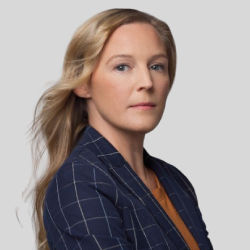
Megan Smith is the Founder of PACKgistics, a logistics-driven moving and storage company that provides enterprise-grade warehouse relocations for operators. She is also Managing Director of Ray The Mover, a Naples, Florida moving and storage company. With over two decades of experience in warehousing and distribution, Megan has led high-growth organizations spanning logistics, warehousing, moving, and storage. Before founding PACKgistics, she spent two decades as CEO of Symbia Logistics, where she scaled the company from a regional warehouse provider into a multistate 3PL powerhouse serving Fortune-level brands, omnichannel retailers, and large-scale fulfillment operations.
Here's a glimpse of what you’ll learn:
[5:32] Megan Smith discusses her volunteer role with the Council of Supply Chain Management Professionals and curating the distribution and fulfillment track at EDGE
[9:32] How Megan was named one of the top women in supply chain and led Symbia Logistics through rapid growth
[14:06] Symbia’s dedicated warehousing, multi-client facilities, and white-glove 3PL services
[18:06] Megan’s path from college to entrepreneurship and logistics
[29:03] Why the pandemic, warehouse relocations, and moving experiences inspired Megan to create PACKgistics
[33:34] How PACKgistics improves warehouse moves by reducing downtime and protecting inventory flow
[41:04] Using customer-facing AI agents to follow up with leads, support current clients, and improve the moving customer experience
[44:58] Megan explains how competitive swimming shaped her persistence, teamwork, and resilience
[51:57] Megan and Mark Hiddleson’s shared industry connections
In this episode…
The moving, warehousing, and logistics industries are changing fast, but many companies still rely on outdated processes, fragmented communication, and reactive planning. How can companies modernize relocation and supply chain operations without losing sight of people, service, and execution?
With expertise in supply chain entrepreneurship, warehousing, and relocation strategy, Megan Smith’s answer is to approach logistics as an end-to-end customer experience. She suggests reducing downtime during warehouse moves by planning around inventory flow, protecting top-performing SKUs, and keeping fulfillment moving even during transitions. Megan also emphasizes investing in people, training, equipment, and customer-facing technology, including AI tools that support follow-up, lead tracking, and service consistency. These strategies help companies create smoother moves, stronger teams, and more reliable operations.
In this episode of The Tao of Pizza Podcast, Mark Hiddleson chats with Megan Smith, Founder of PACKgistics and Managing Director of Ray The Mover, about modernizing moving, warehousing, and logistics. Megan discusses omnichannel fulfillment, reducing downtime during warehouse moves, and using AI to improve customer communication.
Resources mentioned in this episode:
Specialized Storage Solutions, Inc. contact phone: 707-732-3892
Mark Hiddleson's email: markhiddleson@aol.com
Quotable Moments:
“The supply chain world has just gotten so big that it’s really important to know people.”
“There’s a lot of opportunity here, just like there was in 3PL, you know, five years ago.”
“It’s about moving the inventory, and it’s about securely being able to continue to fulfill orders.”
“We cannot afford downtime like this. So we’re going to be…literally pulling like we would work with the client.”
“I think that a lot of that goes back to not just like finding, but retaining.”
Action Steps:
Plan warehouse moves around inventory flow: Before relocating a facility, identify priority SKUs, maintain fulfillment access, and reduce downtime so customer orders continue moving.
Invest in people and training: Build a culture that helps employees grow from entry-level roles into higher-skilled positions, such as certified drivers or team leaders.
Use technology to improve customer follow-up: Implement tools like AI agents, lead tracking, and automated reminders to stay connected with prospects and current customers.
Map processes from end to end: Look beyond isolated tasks and evaluate the full customer journey, from planning and packing to communication, delivery, and post-move support.
Modernize without losing service quality: Update equipment, systems, and workflows while preserving the reliability, care, and white-glove service that customers expect.
Sponsor for this episode:
This episode is brought to you by Specialized Storage Solutions Inc.
Listen...
I have been in the logistics and storage industry for several decades. I know I don’t look that old, but it's true.
We provide industry-leading warehouse storage solutions nationwide.
So basically, if you have a warehouse that needs Rack, Shelving, Carts, Conveyors, or Mezzanines, we help with....design engineering, installations, inspections, and repairs to help clients optimize their logistics operations.
Sometimes people don’t even realize that we can actually help with permit acquisition services.
We take a holistic look at your entire business supply chain ecosystem to develop the resources for continually improving your operation.
To learn more, visit specialracks.com or give us a call at (707) 732-3892. One of the best ways to learn more about our products and services is to follow us on Instagram. And there’s a link on our website to do that.
I will even give you my personal email address for podcast listeners, so email me at markhiddleson@aol.com if you’re ready to take your warehouse storage and retrieval systems to the next level.
Powered by Rise25 Podcast Production Company
Episode Transcript:
Intro 0:00
Mark, welcome to The Tao of Pizza Podcast, where we feature top logistics leaders, entrepreneurs, and supply chain innovators, and share their inspiring stories with a holistic twist.
Mark Hiddleson 0:14
Mark Hiddleston here, host of The Tao of Pizza Podcast, where I talk with top industry innovators in the warehousing, logistics, and supply chain business with a holistic twist. Before I introduce today's guests, this episode is brought to you by Specialized Storage Solutions Inc, and I've spent decades building warehouse systems that really work. And after conversations with clients and peers at Manifest in Las Vegas. One thing's clear: innovation only matters when it shows up on the warehouse floor. As Specialized Storage Solutions, we provide industry-leading warehouse storage solutions nationwide. So, if you have a facility that needs racking, shelving, cards, conveyors, or mezzanines, we help across the full life cycle: design, engineering, installation, inspections, and repairs, all focused on real throughput, real people, and real constraints. And here's something a lot of people don't realize. We offer permit acquisition services. Yes, we handle the red tape, so you don't have to. We take a holistic view of your entire supply chain ecosystem, blending physical infrastructure with modern thinking around automation, flow, and adaptability to help our clients continuously improve, not just install and move on. To learn more, visit our website at SpecialRacks.com or give us a call at 707-732-3892 And just for podcast listeners, I give my personal email, which is Markhiddleson@aol.com Yes, I still use AOL, and yes, I'm proud of it. So, if you're ready to design warehouse systems built for where the industry is going, not where it's been, drop us a line. But today we're joined by Megan Smith, who is a supply chain entrepreneur, founder of PACKgistics, and co-owner of Ray The Mover, where she is re-imagining how logistics relocation and warehousing services operate across North America, with a master's degree in supply chain management from Michigan State University, she spent nearly 20 years as CEO of Symbia Logistics and is widely regarded as one of the top women in supply chain, known for building high-growth companies, cultivating power industry networks and bringing bold ideas to an industry that rarely sees spitfire leadership. Today she combines deep operational expertise with a passion for storytelling, community building, and pushing the supply chain world forward. Megan, welcome to The Tao of Pizza
Megan Smith 2:37
Hey, Mark, thank you so much. Wow, that's an awesome introduction. Okay, I have to say that you made me think of my AOL handle as well when you said that, so I was Mega Lego 14, so you know 14 was how old I was when that was my first email address. So, yeah, I don't think it's still active, but I do think that someone in my family still has an AOL account, so that's awesome.
Mark Hiddleson 3:04
I've signed up for so many newsletters over the years, you know, and I get so many emails on AOL, but they were mixed in with business, but I had all these business cards. I mean, over 30 years, they have all these people that have AOL, so at some point I had to move it to Market Special Racks, and it was, I had market special racks for probably five or six years before I really said, okay, we'll start using this, and it was nice. I feel like
Megan Smith 3:28
you're going to be one of those, like, you know, people are going to suddenly, it's going to be cool to be like an AOL user, and everyone's going to want your account or something, and be like, hey, can I have your handle, like, I can't get an AOL account anymore, but no, even even hearing about, you know, everything that you do too. There's so many synergies between us, our companies and our journeys. So I love to hear your intro as well. And thank you so much for having me today.
Mark Hiddleson 3:56
Yeah, I really, when I saw some of the comments, I think the first comment I saw, we were talking about who's going to manifest, and you didn't go, right? And you said I missed out on this.
Megan Smith 4:05
Yeah,
Mark Hiddleson 4:06
That's when I first started looking. I'm like, wow. I looked at your career and the things you're working on, and I thought, man, she would be such a great guest. So I've really been looking forward to this.
Megan Smith 4:15
Oh, well, yeah. So I have not been to Manifest. I did not go to Manifest. I have not been yet. Maybe someday I'll make it, but I went to BGSA this year, which was like just a few weeks before Manifest, and that takes place in Florida, and I just moved to Florida because I just bought a business down here, so after spending most of my life and career in Colorado, I am now a Floridian.
Mark Hiddleson 4:43
Nice, I didn't get that. And so Ben BGSA is Ben Gordon Strategic Advisors, and I met Ben, probably 20. It was 2007 It was a sustainability conference in Sacramento for sustainability and warehousing everything. That's where it was like, really kind of. Oh, seven, and then Ben and I both had a presentation in Oakland, and then he had a presentation in Napa, so we carpooled somebody, I think it was Bob Shaughnessy, I might have messed up the name, but he was president of IWA, or I can't even, it was one of the trucking deal, and I rode for an hour with Ben Gordon, and I'm really kicking myself in the butt that I didn't stay in closer contact, because he was so smart, so on it, and I watched all of his presentations, and, like, I gave a presentation, I'm like, that was pretty good, he was off the hook 20 years, so
[Continue to Page 2]
Megan Smith 5:33
I felt like I had been invited to that conference for many years, and he goes way back with some of my family members, and so I had been invited, and it was just kind of far away, and I have young kids, you know, just the timing was never right. So this year I was like, you know, I think I'm going to go all in, and I'm going to go be GSA, and I'm going to forego manifest, and I do a lot of work with CSCMP, just as a volunteer, and I kind of signed on for, you know, I told myself I'm going to do a two year tenureship, and so I'm trying to be honored, honored, and true to that. And this will be my second Edge conference that I'm, I'm a co-track chair, so I'm curating the distribution and fulfillment track this year
Mark Hiddleson 6:19
again. Awesome, keep me posted on that. I've always been involved in work, warehousing education and research council, and I was on the board, the local council. Sorry, my LinkedIn thing says president of work, and a lot of people think I was president of actual work, president of the local council, local, but still we did four tours a year for probably 10 years. I was involved with that, and going to the national conference, but I'm kind of, I'm looking for new homes. CSCMP still does roundtables in the Bay Area, there in San Francisco. Yeah,
Megan Smith 6:50
Actually, I met the president of the round table at the BGSA conference, and he's awesome. So, there's a lot going on up there. They have a thriving round table, it's just, you know, that's such a great market, but then also it's like with all of the tech emerging and all of the new conversations happening around, you know, just kind of this new supply chain that we're facing, not just with AI, but like the convergence of sort of digital and physical, you know, supply chains. I just feel like there's a lot of really interesting conversations happening at that round table up there, for sure. I am a big advocate of the Warehouse Education Resource Council, as well. I'm a third-generation member, so I'm not currently a member, but I was in my previous post, and so my grandfather was one of their original kind of founding, you know, members, and so, yeah, I spent quite a bit of time there in my last position when I was with Symbia, and after I left Symbia, I just sort of was like, I don't know where it fits yet, but I'll figure it out. I talked to Michael Micket Ka about six months ago, just about getting involved in stuff, but I know that their annual conference is coming up in Jacksonville as well. Is
Mark Hiddleson 8:05
It's May 15 through 20th, and I turn myself in. I presented a.. I've always.. one of my friends, who's a three PL, or contract warehouse, is kind of a better way to put it. They have multiple warehouses, cold storage.. we've always said we should do a talk, because we've found, like, a lot of the best information is either at the bar or the pool, right? And you know, podcasting was something I was kind of a late adopter. I had a coach that I was working with, like, probably seven years ago, and he recommended I watch his podcast. I'm like, "Look, I don't watch for this stuff, but it was my coach, and it was a good idea, so I look, and I started getting into, and I was like, wow, I'm interested in this about health and fitness, or he could really get up to speed quickly, and then probably five years later, so it was 2022 somebody recommend they heard about my business, my expertise, what makes us different, and he, everything was shut down, nobody was meeting in-person and I'm a big networker, and they suggested I start a podcast, and I'm like, here I've gone from no podcast to starting a pod, and now I'm like, I really see a value, so I want to do a round table where people talk about how they're using podcasts to learn about new technology, make contacts with people you know that you want to meet, like somebody cold calls me off LinkedIn, I'm probably not going to respond to it, but if they type in, "Hey, I saw this on your podcast that you were talking to Megan about the BGSA, what do you think about this? I'm probably gonna at least engage, so
Megan Smith 9:33
right when you know that they're, yeah, I think the world has kind of changed in that sense that it's like no longer about are there one or two degrees of separation, that's okay, like it used to be. Oh, well, somebody knows somebody. It was like, I didn't care if there were six degrees of separation. I was like, oh, that's cool. We kind of know each other now. I'm like, oh, that's too many. Like, if there's one, I'm like, all right, cool. Like, that was direct, you know, but the supply chain world has just gotten so you. It big, that it, yeah, it's really important to know people as well, like not just to have a digital, you know, relationship, but also get to know them, and so, yeah, interestingly enough, in my own career, I kind of started peaking during, you know, 2019 I want to say it was the end of 2019 maybe very beginning of 2020 they came out with a list that they put the top five coolest women in supply chain, and I was one of them, and I already had two kids, and so I was like, oh yeah, like this is never gonna die, you know, like I'm always gonna be cool somewhere now, like that's for sure, you know, so if they're ever like, oh no, you're not cool. I'm like, actually, you don't know this, but somewhere in the depths of the archives is a list that I made about, you know, being top five coolest women in the supply chain. But it was really exciting. It was an amazing time. I was coming off the heels of having made, you know, the Inc 5000 list. I was number 68 overall, and we were number three in the supply chain category, and we were number one in the state of Colorado. So it was a very exciting time to be on the list, really, before the supply chain kind of popped off as well, and so yeah, that all led up into sort of, you know, the COVID pandemic, and everything. I was supposed to have been one of the keynote speakers of Pro Matt that year, but that got canceled, so we had to film it beforehand, and then we had to deliver it, you know, pre-recorded, and then we were all live, like answering questions on the chat and stuff. It was just totally different than anything that I was expecting, and I just kind of was like, you know, I need to take a break from all this, focus on my kids and my family, and that's sort of what prompted me to start thinking about things differently, and like seeing the world differently. The three PL world started just getting very saturated, a lot of private equity money, and people coming into the space, like I said, a lot of newcomers, and a lot of new competition, a lot of people fighting for scraps, and I was just like, I'm not, I don't want to play this game, like this is not what I signed up for originally. Before that, I had been working in a more dedicated environment with a larger client, and we had many warehouses that we were managing for them, and so it just felt a little bit more linear, structured, one client, many moving parts, but we were all kind of on the same page, whereas then when we went into this multi-client environment, especially during Covid, you know, all of all of the rules changed, not just the game, so
Mark Hiddleson 12:43
help me with the lingo, because one of the things I've been doing this for 30 years, and they always hear an acronym or something that you're.. How do you describe running multiple facilities for a client? Would that be a four place single contract warehouse? Like, what type of client relationship is that? If you wrote..
Megan Smith 12:58
well, multiple, so multiple facilities for one client. I mean, we always called it dedicated, dedicated, dedicated warehousing, dedicated facilities. That was a dedicated, like, if it, if we were mixed use, then it was a mix, you know, mixed clients, like, we would have one space with mixed-use client warehousing,
Mark Hiddleson 13:20
because we've only done a few of those, I remember, I can't even remember of the, it might have been NFI, it was one of the big three PLs that was doing contract warehousing for Clorox, that was actually, I was telling you before the call, the project manager, that was a real stickler that got me working at home into,
Megan Smith 13:35
yeah,
Mark Hiddleson 13:36
and I was nervous about it. I have worked at home since 1997 and it really went soon when I graduated from college and started because my boss, I was in sales and sales engineering, and he goes, "We don't want you in the office. He's like, "We're selling if you're here and there's like water cooler conversations.
Megan Smith 13:53
Exactly right, that's my whole thing. Is like, I'm not very productive in the office, I'm not everybody wants to talk, everybody wants, and it's like, I mean, it's great, that's what I'm good at, you know, but
Mark Hiddleson 14:05
I'm because you have the energy, you have the things,
Megan Smith 14:06
yeah, but I need to be like doing things too, yeah, no, so to answer your question, I mean, like, we would definitely, obviously, that's contract work, but like, we would have called that dedicated, because it was just one client, you know, multi-client would have been any other environment, so we went from having just dedicated facilities to then having also multi-client facilities that were essentially just like green fields, nothing inside of them, no clients, and then we're going out and building, filling them with multiple different clients who have multiple different needs, who maybe even are from completely different, you know, parts of the supply chain, maybe one's like more of a healthcare, and the other one's more beauty, and it's like they have similarities and commonalities in terms of their actual needs of fulfillment, but their customer expectations, their, you know, maybe the regulations in their industry, or whatever it is that made them unique. We were looking for something that looked kind of like white. Glove, you know, sort of clients that needed that extra care from a three PL,
Mark Hiddleson 15:05
yeah, and some people specialize, like one of my best clients, they specialize if people want to sell into Costco, they can go through their Ross, because they have all the Costco or Walmart, and so with all those companies have strict protocols, so like, says kind of a white glove, because you have to know the process, so you can do a lot of, you know, everything from healthcare, food, and then, but then a lot of businesses, ingredients, because it's food grade warehousing, they've got all those sort of lives, so you've got in their money. Yeah,
Megan Smith 15:30
We also were doing SQF, we had organic, we had multiple different certifications to work with those food grade clients, and you know, we also had retail compliance, which is what you're talking about. So, the retail compliance for all of these retailers is different. It's also different depending on the type of product. So, we had retail compliance built out also in our, you know, and again, I mean, retail compliance is very different from the final end user customer compliance, right. So, like you're doing full net by Amazon, or if you're doing anything direct to consumer, that customer experience is very different from the customer experience when you're going direct to the retailer, you know. And so we were doing that for many clients as well, where we're sending it directly to the consumer because they're buying it off their website or their Amazon store, wherever it is they're buying it from, but then they're also selling to Target, they're also selling a Costco, whatever that retail mix is, so we have to be ready to deliver in both, you know, settings, and that was really kind of where our our niche was in the fulfillment world was that sort of space of, you know, if you were an omnichannel client, that's what we're looking for.
Mark Hiddleson 16:43
I was just gonna ask you, was that on the omnichannel? Because I love it, like I'm pretty sure I know what these things are, but I love talking to someone who knows omnichannel
Megan Smith 16:52
is like the type of fulfillment, because you're going different channels. Multi client facility is when we had one warehouse with many different clients in it, some of them were omni-channel, some of them were just going to the consumer, and some of them were going to the retailer, so you know that's where you get into that mix of, you've got like 100 different clients in one warehouse and they all have a different need, so you know the customer experience with a customer service representative, however you dictate that title is super important in those fulfillment settings. A lot of the job titles changed, a lot of the needs changed during that time, you know, because of the customer, the end user, whether it was the retailer or, you know, the person at home.
Mark Hiddleson 17:34
Yeah, so I have.. I'm so.. I guess so many questions about how did you get from so, how did you choose? Like, I'm starting to learn if your family was involved in logistics. How did you choose that as your major in school? And then, how did you get to translate that into, you know, how did you get to be CEO of Symbio? It must have been fast, because you look super young. It's like me, I've been doing this for 30 years, because I started right out of kindergarten.
Megan Smith 18:05
Um, well, it may look fast, but it feels long. So, let's see, I started my undergraduate journey. Well, I went to an all-girls Catholic high school, and I would say, like, in that environment I kind of cut my teeth on the idea of, you know, being a pioneer, being a woman who, whether you were an artist or you had an interest in business, there were a lot of women who went to service, but it was pretty competitive to get into that school, so we all were pretty compelled to, like, you know, go do something with ourselves in the world, so I would say that that kind of laid a foundation for me going into university. I went to a school called St. Mary's College of California. Yep, so I lived in Moraga for two years. I originally was there to play lacrosse, and I was a great athlete. I fought really hard to play a lot of different sports growing up. I was a swimmer, and I transitioned from very competitive swimming into kind of like now I have time to do whatever I want, and I started playing lacrosse. So, going into college, I played lacrosse. I didn't last long. I decided, like, I had never focused on school, and I was always very smart, but like never had the time, because I was either singing - I was singing a lot growing up - or I was playing a sport, and so I was like, you know, I think it's time for me to dedicate my time on like my academics. So my sophomore year I really started taking academics more seriously, you know, I went from being like an average student to if I got anything less than an A, I was like, nope, I'm going to fight for my grade, I'm coming in, you know, and at that point I am one of six, and I had sisters who were much younger than me, and I really missed my family, I was the oldest girl, and so I'm like, you know, I just miss Colorado, I want to go home, so I trans. Referred to the University of Denver, and it was probably one of the better decisions I made from a professional perspective. It was a really nice program. I was at that time required to have a laptop, which I was not anywhere else, that you know, and so I was like, wow, this is really progressive. Like, I was always kind of one of the only people with a laptop, or able to kind of, you know, maneuver technology at that point. This is like 2004 and so I was very impressed with the program, the school again. I got really just really deep into my academics, and I started focusing on management. I was compelled by one of my professors, he was like, "Well, you know, logistics is like a form of management. I was like, "Oh, I never thought of it that way, and I had started doing a project on my dad's company, which at the time was called Amware, Amware Logistics. So,
Mark Hiddleson 20:48
your dad, what's your dad's name? Is it Doug? What's his last name? Jim
Megan Smith 20:53
Smith.
Mark Hiddleson 20:54
Okay, I think I know somebody named Doug who worked for Amware, wasn't
Megan Smith 20:57
maybe Mark Wilhelm was his partner
Mark Hiddleson 21:01
okay? Yeah, I met them at work conferences. I remember Amware. Sorry, I interrupted. No, you're good. That's a work legend. Yeah, yes.
Megan Smith 21:11
So, yes, so my dad is Jim Smith, so he was the co-owner of Amware, as you know, when I was growing up, and now you've, you've, I blacked out the rest of the story,
Mark Hiddleson 21:25
just got all excited, that's okay, because that you're, yeah,
Megan Smith 21:33
so I was doing a report on Amware, and I was interviewing a gentleman named Barry Leff, who worked for him at the time,
Mark Hiddleson 21:41
I know Barry, that's why J.B.
Megan Smith 21:43
Hunt, he's with J.B. Hunt now. Um, so I'm interviewing Barry Left, and I like, go to turn the project in, and my professor is like, you know, your dad's business is pretty cool, like, if you want, and I was a transfer student, and I hadn't really hung my hat, like, any, you know, I was just general business, and he's like, if you want, I'll sponsor you in the management major, and like, I'll be your academic advisor if you don't have one, and I was like, I sure don't have one, they didn't assign me anybody, so like, if you're willing to do it, and so that's kind of how I fell into just the world of management and logistics. I then went into being just an entrepreneur in general, and I started out in retail. I had a couple of stores in Denver. I wrote the business plans in my undergraduate program alongside the same professor. I took just about every course that I could from him, like if I was allowed to, I was like, yes, I will take it with Professor Lewis, and he was just a great, he was a great teacher, and so I really appreciated his, his effectiveness, his level of quality, you know. It was very similar to my dad's. That's one of the things that, like, I think I've learned about really great logisticians, is like, we do care about the details, because they do matter. And so he was, he was kind of on the same page as me in that regard, and I'm like, okay, this guy gets it, you know. So, yeah, from there I had my own businesses. I was on this entrepreneurial path. Jim came to me and was like, "Hey, we have a client who's looking to diversify their supplier base, and you know, you've already shown that you're interested in entrepreneurship. Would you be interested in getting involved in the logistics business, and that client was CHEP, the pallet, the world's, you know, pallet giant, and so for, you know, most of my career until 2021 I ran point on those dedicated facilities with CHEP pallets, and we were the, their nationwide provider, essentially. I manufactured all of their new pallets, and I was a big part of their supplier diversity program. It was a wonderful, awesome time to be, you know, in that world, and changing the world, really. Like, it was just a really cool time to be growing in the supply chain, so yeah, I did that until 2021. During that time, I also went back and got my master's, and I went to Michigan State because the program was phenomenal, and I could do it remotely. So I'm a mom, I have kids, and I wanted to do something that was going to get me a master's. I wanted to continue networking, and I wanted, like, a new avenue that I could continue learning, you know. We kind of talked about that. It's funny you said that in the beginning, like, I'm a life learner, so that was sort of what took me back to school, and yeah, from there we, we sold the chat business to the previous president of our company, which was called Symbia, so we changed names from Amware to Symbia, and that's when we kind of entered into that, you know, world of multi client and omni channel, but Amware had always been in that, that game, it was just more like at that time called multi. Level marketing, they called them, you know, different things, but like the pyramid schemes and things like that, you know, you just QVC and online shopping was not what it is today, but more Home Shopping Network and things like that, so the client looked, sounded was a little different, but I, it's funny, I see a lot of similarities in, like, you know, what we were doing then to what we're doing now, and the types of client and the type of end and customer who's the one really consuming these products, it's, it's still kind of the same. The marketing is different, the way we talk of the acronyms, you know, there's all these new terms, but I think it's just, it's marketing, it's all as marketing,
Mark Hiddleson 25:41
my big one at manifest. I try to go away with, you know, stuff. I've been doing this for a long time. I'm always amazed at how, like, I'll be embarrassed in a conversation, raise my hand, and stop and go, "What's EDI? Or, you know, "What do you mean by that? And, like, so tech stack was the one that came out of manifest as a tech stack, which is really all your systems in you, so I want to have you talk about because you have, and I think I got this white tech stack. I have an old, like, 30 years old laptop for all the laptops I've ever had. That's my tech stack. Oh, that's awesome. Yeah,
Megan Smith 26:14
you're like, is that my graveyard of old technology? Like, is that the iPhone generations or no, well, tech stock is super important. Teamwork, yeah.
Mark Hiddleson 26:26
Talk about it, please. Educate me, I'm learning about, so
Megan Smith 26:31
The tech stack obviously is important to all businesses at this point. When we talk about tech stack, really what they're asking is like what software are you using to get the job done. It doesn't necessarily mean the hardware, it could, but typically when people say, "What's your tech stack look like? They're asking, you know, "What's your WMS, warehouse management software? What's your TMS, your transportation? What's your OMS? Your operation? So they're more asking, "Hey, what technology, in terms of a software, are you stacking on top of each other and integrating, you know, with all of these fancy acronyms. How are they working together? And that's your tech stack, so you know, again, I dropped a lot of those acronyms already, but some of the most important ones that we're dealing with are also just evolving, right? And I'm seeing some of the newer, I would say, additions that I'm seeing to the stack are more along the lines of procurement. I'm seeing a lot of new procurement technology coming out, where people are integrating with the procurement process, and so you can start to, you know, order things more just in time, and the AI can start to layer into your operation, your OMS, your WMS, all of these other parts of your stack. So now you've got a procurement part as well that's saying, hey, let's order this, let's get rid of this, this, the price just went up, the price just went down. So it's doing all that work in the background. Another place that I see it is just like documentation management, so in some of these industries, let's say, like for drivers, you know, freight or truck, where you've got, you know, you've got to have driver's license, you've got to have certain your CDL, or whatever it is that you have to keep up with, they're now coming out with new technology to add to the stack, where it's like, hey, just upload that document here, and then we're going to put, you know, functions in place that will notify you when it's about to expire, notify you when your appointment should be coming up, notify you when you need to do these things, so that would be your tech stack, you know, and those are the ways that we're kind of using them now. Again, it depends on the, it depends on what part of the supply chain you're in, in terms of which, which ones you're going to use,
Mark Hiddleson 28:44
So share a little bit about the evolution of your industry, and kind of how you, what did you learn at Symbia that related to your success and founding Pagistics? Like, what were the trends you saw, or yeah,
Megan Smith 29:01
things, well, I would say just like a lot of people, you know, 2020 and the COVID crisis, like that, it sent a lot of people home, because we were running point on CHP facilities at that time, we were considered essential, and so that also just like changed the way I viewed everything. A lot of people were moving, we were still moving. There was a lot of movement happening in the supply chain world as well, a lot of people taking down new space, needing new space, even for example in Colorado, like, we were, we were having multiple, and this keeps happening, right, but we were having multiple kinds of crises at the same time. For example, in the commercial real estate world, because of what had happened in the marijuana industry, all of the warehousing space, especially B and C, was gone, so if you were anyone trying to pop up a new fulfillment shop or in. You know, and you're looking for just kind of like an okay warehouse. Good luck, like it was so expensive, so there were just a lot of these factors happening. But what I kept seeing is like, I keep moving, I keep moving my house, I keep moving from my job. You know, we keep moving these warehouses, we keep opening one here, closing one there, doing this, but because of the pandemic, then, bam, like people started moving too, and we saw this like massive migration of people across the world, and I moved a few times during the pandemic, and I've just, you know, based on user experience, was like I think I could do this better. There's a lot of logistics involved here, and you know, also in the commercial world, we started just doing a lot of this stuff ourselves, because we realized, like, you know, going back to the conversation we had before we started filming, that there is sort of this niche in doing white glove services, and so we found that, you know, during this time, we popped up a mom and pop thumbtack moving and storage business, my husband and I did, and this is really random, but everyone was at home, right? Everyone was just at home. Okay, and he has a big family as well, and his younger brother and his cousin were kind of out of school. They were in college, but nothing was happening, and they were working for a moving company, and they were like, "You guys, we were making pretty good money doing this. Like, if you guys want to help us set up the business side, then we'll just do the moves, you know. And so we were living in Georgia, but they were living in Florida, doing all the actual work. And so we were running Point, and in Georgia, and essentially that's how we learned all about the moving industry. We wrapped it up, closed the shop. We ended up moving, you know, back to Colorado and back to the warehousing world, and all of that, back to reality, right. And then we quickly realized, like, hang on a minute, there's a lot of opportunity here, just like there was in three PL, you know, five years ago. Um, there's a lot of antiquated systems, a lot of older equipment that could be reused, updated, renovated, or you know, maybe scrapped, and so you know we're seeing a lot of this like paper to pen type processes that we're saying, hey, you know, we should change that, and it's working, and we're we're pivoting that into not just household goods moves, which is the business that we bought, so we founded PACKgistics, and we knew we wanted to buy a moving and storage business. We just didn't know where. We kind of knew what, but we didn't know where we were going to end up. And we found Ray the Mover, and we love the Naples market. It's kind of a white glove market from a household goods perspective, but we're also really close to a lot of the ports, and this area is growing, so there's a need, you know, a lot of hotel installations and stadium installations that we've been doing, and just kind of cutting our teeth and like getting to know that side of the commercial business, while also saying, hey, like we really want to get into, you know, three PL, three PL warehouse moves, so that's where we see our future.
Mark Hiddleson 33:08
Share, share a little bit about that, because that's our business, and why I read something of yours, your pre-interview questionnaire was amazing. You want to bring the same level of standard to at least the way I understood it, to that type of move, to a rocky move or conveyor, like a full facility move,
Megan Smith 33:27
yeah,
Mark Hiddleson 33:28
to bring a higher level of execution. I love, I was all excited, yeah. I mean,
Megan Smith 33:33
I think essentially, like, we kind of, as operators, right, like we, we were the customer in that experience, right, and what we're seeing is like, oh my gosh, okay, we are making promises, saying to I'm saying to my client, guess what, we're going to move into this nice bright shiny warehouse, it's going to be bigger, better, we're transitioning to a new WMS, I'm making all these promises, right, and they're so excited, they're like that. Sounds awesome.
Mark Hiddleson 34:01
Yeah,
Megan Smith 34:02
and then moving day comes, and all of their inventory gets lost, and we haven't fulfilled an order in two weeks. And the next thing you know, their business is like in the can, because their clients are angry, they're blowing them up on social media, they're blowing, you know, and you're just like, oh my gosh, this is not what I signed up for. This is not what they signed up for, and so I think that, like, for us it's more about not just moving the equipment, it's about moving the inventory, and it's about securely being able to continue to fulfill orders. So that's really where our expertise comes in, as well as, like, that's when we started doing a lot of the work ourselves, was saying like we cannot afford downtime like this, so we're going to be like literally pulling like we would work with the client to say let's cut off these SKUs and we're only going to, you know, deliver on these top performing SKUs for the next two weeks and we'd pull the m. Inventory, you know, and make sure that it was in the forefront, just doing things a little bit smarter, so that it's more end to end, unless hey, we've got to tear this down, put it up, it's more, what does this look like from a holistic perspective, especially when you're doing these multi client facilities, so that was the impetus, creating transparency, you know, creating more of a fluid environment where the client doesn't even really know that you're moving. Why would they have to, you know? And that's kind of the idea, is being able to pop up and then shut down and pop up and shut down quickly.
Mark Hiddleson 35:39
Yeah, so, so we, because there is a challenge, so when you have your, so when you say you brought it in house, so you would have your own labor take down the racking or conveyor or whatever systems, because you controlled the labor, because there is some move, like we can't send our team till everything's empty,
Megan Smith 35:57
so what we're also seeing is that on the household good side? On the North American side, we're already investing in that labor, so we're already hiring these very sophisticated movers, and they already know how to use all the equipment that is inside of the warehouse. They are already forklift drivers, they're already able to use, you know, what I mean, honestly, all of the equipments, the same equipment that we're using inside of our warehouse to build, you know, whether it's storage, whether it's vaults, you know, whether it's racking, like we're doing that all ourselves already. So we said, hey, wait a minute, like why would we continue to just focus this on household goods, it's the same person, it's the same level of experience, and we consider these, you know, this is a great opportunity, like in our business, like we're seeing my husband recently shared a story, he's like, please share this on social media, so you'll probably see it come out at some point where I publish it, but you know, we have guys who've never thought that they'd own a car, and now they're driving big, nice trucks, and you know, we have a lot of these really wonderful success stories where it's like we're curating something that's that's also based on pride and really good work, you know, and so, like, just last month, I know I posted it on LinkedIn, but in January we were the number one agent for the East Coast, and in February, we were the number one agent for the East Coast, and we were also not just that, we were the number two agent for North American band lines in the entire nation, and I mean, we're competing against some really big companies, so we are like the tiny little David against Goliath right now, we're very well aware of that, but we also know that we're like bringing a lot of energy and you know, fire and new ideas to an industry that's kind of kind of antiquated. So,
Mark Hiddleson 37:54
Are you willing to share some of the things you're doing to modernize impact distance?
Megan Smith 37:59
Yeah, of course, I mean, so I would say again, that would be the biggest thing, is like investing in our training, our people,
Mark Hiddleson 38:10
the people is the number one thing that I hear coming up every time, it's like if you have good people, the rest take care of the cell, I mean,
Megan Smith 38:17
yep, and I think that a lot of that goes back to not just like finding, but retaining, right? I would say, like, finding the right people, but creating a culture that retains people, and a lot of what we're also finding is that that retention is tied to growth. It is now people do care, especially in these more kind of trade and craft type environments, they're saying, like, no, I know my worth, you know, like, I want to move up in this. I'm not going to just sit here and be a pallet builder for the rest of my life, or, you know, I'm not just going to be okay with, like, having my forklift certification. I want to get my Class A. How can I do that? And what we're saying is, yes, like, we want you to, we need more drivers, we need more and more drivers, so people training, I would say also just equipment, I like that sounds really basic, but the right equipment at the right time, you know, we've got padded trucks, we've got different things that we're not just, we're not just what they call like dock bumpers, so we're not just coming in and dropping stuff and going. We're pretty strategic about how things are packed. We're building things very nicely, and you know, I think that that also goes into like building out real process maps beforehand, and some of the stuff that we're doing really isn't like novel, but it's actually doing it, and again viewing it from more of like an end to end process, instead of just looking at this from one siloed process, the next of a move, we're saying, hey, like this is end to end, how can we fix this, right? So people, equipment, and then I would say technology. Okay, so we bought, we bought a 45 Yeah, we bought a 45 year old business. It came, it came with people, it came with some equipment, and it came with some really old technology, right. And I mean, as you know, and can imagine, the North American Van Lines brand, in general, is pretty old. The CRST brand, in general, is pretty old. Some of the agencies were a 45 year agency, which I mean, that's a pretty great tenure ship, but some of them are 100 plus, you know, and so that's amazing, because what that means is that something they're doing is really right, and that's service, it's quality, it's all of those things that we just talked about, but where we see the opportunity is that technology, it's that tech stack piece. It's not just I would say in this instance deploying the right technology, it could even be creating the right technology. There's a lot of opportunity for, you know, better technology still in this space. So,
Mark Hiddleson 40:59
what part of your tech stack are you working on, like what's your focus right now?
Megan Smith 41:04
Honestly, our focus, our really big main focus, has been customer facing, so it's been, you know, creating more AI agents to be able to respond to inbound leads, current clients reaching out to clients that we've already done, you know, we've already done a quote on their house, they've already let us in their home, but we haven't heard back from them, and kind of pitting the AI agents on those people just to keep following up and making sure, you know, not a bad way, but making sure that they're okay, they're taken care of, and that we're doing everything that we can to make sure that you know their experience is the best, and then I would say just even functionally, like outside of that, the glitz and glamor, just being able to track leads, that's been really important. We're also, you know, we're doing a lot of local lead hunting, and so putting a process together that's not just kind of like out of the box, but something that's really custom, and attaching AI to a lot of those processes that maybe people haven't before, not just in the communication side, but also in the side of like finding people who are selling their homes, finding people who are, you know, going to be moving warehouses soon, working with realtors, and doing a lot of that digitally. So those are really the places that we're kind of improving the business. I would say
Mark Hiddleson 42:34
awesome. So we're running out of time. I want to go. We'll have to do this again. I can't wait to
Megan Smith 42:41
do it in-person You're going to be at Modex, right? Yes,
Mark Hiddleson 42:43
I will be at Modex. Okay, we're dropping
Megan Smith 42:44
like every conference name, I guess possible here. But yeah, I can't wait to meet you at Modex. I saw that you were going to be there.
Mark Hiddleson 42:51
So, what's the best way for people to contact if they want to learn more, or like, what is it? Good, what are you, what kind of relationships are you looking for, as far as like, who should reach out to you, obviously, if you want to move. Yeah,
Megan Smith 43:03
I mean, if, obviously, if you're interested in moving your warehouse or your three PL, we're definitely interested in talking. I'm working currently with a lot of commercial real estate agents who have clients who are just looking for big moves, in terms of, like, you know, hey, I'm moving a warehouse, and I've got 15,000 pallets, and those are the types of, you know, quantities that we're like, hey, yeah, that perks my interest, like, we have teams that work nationwide, so although we're based in Florida, I move internationally and nationwide, so you know, we can do it all, and that's kind of been the exciting part, also about buying a 45 year company, is just sort of, you know, having some of these turnkey services and equipment. So, yeah, you can just feel free to reach out to me on LinkedIn. You find me, obviously, Megan Smith is like not the easiest to find, so you can find me, Megan Smith Mullaney is my married name, Mullaney or PACKgistics on the end, like logistics, and my email address, of course, I have to be confusing, I didn't want anyone to be able to find me for a while, as you can imagine, it was hard, so my email address is smith@packgistics.com
Mark Hiddleson 44:21
yeah,
Megan Smith 44:22
but you'll find me, trust me, you'll find me,
Mark Hiddleson 44:24
yeah, awesome. And LinkedIn, and I put, I'll put on your LinkedIn profile in the show notes, which the podcast is in Spotify, and everything else, but if you watch it on our blog and our website, I have all the show notes, and actually transcript too. If somebody doesn't want to spend the whole 45 minutes, they can rip through the transcript. I'd have friends that go, I can look through your transcript in like eight minutes and pick up this stuff. Awesome,
Megan Smith 44:45
perfect.
Mark Hiddleson 44:46
You know, when you deal with some people that have a certain.. the pertinacity.. I didn't bring up the pertinacity with the million dollar word for million dollar.. I love when you say that, but I think that.. Do you think that comes from training as an athlete, or I mean,
Megan Smith 44:58
I think for sure like there's something. To it, I mean, there's.. I, that's probably the biggest differentiator between myself and my siblings. I was a.. I was a swimmer, and swimming.. like, I mean, I was swimming six, seven days a week, you know, depending if I had a race and on the weekend, but I mean, our meets would go from Friday all the way through Sunday, and so it was.. it was just a different level of existence, like, and I loved it, you know. I had so much fun with my teammates. My teammates were actually my better friends than my schoolmates 90% of the time, like. So, I don't know, I think that it teaches you just this ability to also, like, you win some, you lose some, and I play tennis now, just for fun, you know, but like I'm pretty competitive in most things, and so like yesterday I played in the league finals and I lost, but my team won, and we actually only won because I ended up like I only lost by one game, and so we ended up winning, and it was because if I had lost by like a ton, we would have lost, you know, but they were like, look, like even though you lost because you almost beat her, like we won, and I'm like, okay, like that, you know, like it's like had I not fought at least as hard as I did, you know, even though I lost, like we still won, so I don't know, I think it teaches you little things like that, where you're able to just kind of like dust yourself off and be like alright, let's go, like I can get back in there, you know, and a lot of people are like, I don't think I can do that again,
Mark Hiddleson 46:29
or even I posted something recently that, like, conflict, like there's sports, if you have teammates, like the good teammates I had, you call people out in practice, and so like when I was in the 80s, it was a little rougher than it is now, but it's like people holding each other accountable, but then that person has your back, and like that's
Megan Smith 46:48
yeah,
Mark Hiddleson 46:48
we can get in someone's face, and then you go afterwards, you shake your heads, you like, look, I get it, or you know, yeah,
Megan Smith 46:54
my dad would get pissed off at me, because like my best races were the relay races, and like I was a great swimmer, especially I kind of peaked at a young age, because I'm not tall. Like, when you meet me, you'll be like, 'Oh my god, I'm like 546 feet tall. No, no, I had no business, I had no business at all swimming. Like, after I got, you know, that's why I started playing lacrosse, because I was like small and wily, and I could run around people, but you know, anyways, like, my dad would get so angry at me because my individual events were just like a nightmare, like I'd make it to the finals, I'd be ranked, I'd be seated number one from prelims, and then I just like lose the race, you know, he's like, what happened, I'm like, I don't know, but then, bam, like 10 minutes later, be like, okay, it's time for the relay, we go up, and I just like get a best time, or you know, and it's like I cared about that more than I cared about like myself, you know. And I don't know, again, it's just that that camaraderie, that feeling of like I gotta, this is bigger than me, you know, like I owe this to everyone to give it my all, and it just kind of teaches you that, yeah,
Mark Hiddleson 48:02
yeah, yeah, you hold yourself. Oh,
Megan Smith 48:04
you don't really feel that way. You're like, oh, another group project, yeah. But in sports, it's like, I, I earned this spot on this team, or this relay, or the starting lineup, or like, whatever sport you play, you're kind of like, you know, you get a ranking, and it's like, I don't know, my siblings just never, they never pushed through, either. You know, just kind of quit, or like, ah, and I'm like, what's going on? Like, show some passion. But I also played. I was, I mean, I never played any instruments, but I sang a lot. I was a singer, so I don't know. I just think about the level of expectation. Yeah, exactly. Yeah, anything where you have to practice,
Mark Hiddleson 48:42
so I wrote a book. I'm going to send you a copy of it, because I think I saw
Megan Smith 48:46
that. Congratulations.
Mark Hiddleson 48:48
Thank you. I published it in July. It's.. I've worked on it. It was a project. I said I've been working on this for eight years, and I was saying that for two years, 10 years. Oh my
Megan Smith 48:59
gosh, I believe it.
Mark Hiddleson 49:01
And I wanted it to be perfect. I struggle a little bit with perfectionism, you know. It's like this has to be anything, but I think it's pretty good. It's not for everybody, but for kick-ass people. Like, yeah, the biggest thing was different ways of looking at different lenses, you know, way of looking at yourself, looking at the world. And then a lot of practices that I've done over the years, whether it's martial arts and everything, I was watching this martial arts thing that my wife's uncle was involved in. It's a podcast called Punch Kick Choke Chat. This would be a great emotional intelligence trick. Yeah,
Megan Smith 49:35
wow,
Mark Hiddleson 49:35
because everyone can be cool until you've been punched, kicked, and choked, and then let's have a chat. Oh my
Megan Smith 49:41
gosh, that's so funny. So it's.. I just like my best friend, and I like.. we always have this thing. This goes way back, but like when you're bored at a conference or an event, like, and you're with someone that you know very well, you can only do it with someone you know very well. You can find the person who's never been punched in the face before, you know. You know that there's like, you know, it's like, you know, yeah, you can figure it out. It says something about you,
Mark Hiddleson 50:13
yeah.
Megan Smith 50:13
It's like you always like when you meet that person, you're like, oh, okay, we're different, you know?
Mark Hiddleson 50:19
Yeah, yeah, there's, there's been some, there's been some punches and some kicking, and yeah, like you
Megan Smith 50:25
must not listen to this podcast. Okay, yeah, I don't think you're into this one, but martial arts, what kind of martial arts do you do?
Mark Hiddleson 50:33
So I have just done practice, I've never really trained a lot in one, but Aikido is something I started selling. I went to JFK, it was right across the highway from Moraga St Mary's. It was in Orinda, it was JFK University. Okay, 2000 to 2004 I'm not sure when you were with St. Mary's,
Megan Smith 50:53
random. I was at St. Mary's 2002 to 2004
Mark Hiddleson 50:57
so there was little overlap there. There was an overlap school called JFK University, and I got my master's in holistic health education. So, I've always just looked at martial arts as a way of, you know, dealing with an aikido. The thing is, you protect your attacker while you're defending yourself, so the goal isn't to, like, annihilate the other person's delay, right? Have a conflict where that person still comes out whole. Yeah, but the thing from Steve, and that takes a lot of practice.
Megan Smith 51:22
Oh yeah,
Mark Hiddleson 51:23
and what my uncle Steve was saying is that he goes, if you were training in the dojo and you came back and you were at the same level when you left, the he'd make you go all the way, but his instructor would make it all the way back to the beginning because he expected you to train in between practices. It's like, don't show up at the next practice, and I'm like, that's a different level, yeah. But that's always been me, like I want to show
Megan Smith 51:45
the space between, like you have to keep, I don't know, rising when you don't expect it, you know?
Mark Hiddleson 51:53
Yeah. So, anyways, this has been amazing. It's wonderful. Yeah.
Megan Smith 51:57
So, I have to ask, because now I know what you do. Um, do you know the guys over at GMP? The guys
Mark Hiddleson 52:03
I flew to manifest on their jet, it's the coolest
Megan Smith 52:07
cool.
Mark Hiddleson 52:08
I invited Mike Gory on the podcast, and he said no, and it's funny, like a month or two later he said he was gracious about it, but I said we're sort of competitors, but I think there's an opportunity to be strategic alliance, and then I had this client that was doing a Prologis move, and they needed a Prologis Essentials vendor, and we weren't, we weren't gonna be able to set it up, but I knew Mike was just from following LinkedIn and all that, so I said, I've got a six-figure opportunity in Oakland that I want to work with you on, and within 15 minutes I told my customer, I go, I have a friend of mine, and we weren't even friends, we're just on LinkedIn, but Mike was on the phone with my client within 15 minutes, and we worked something out. They were really generous and gracious about, you know, doing a really thin margin deal, so that we could go through them, and we saved our customer a ton of money. I got to get the project, and then Mike and I, and we've probably done another half a million dollars in business just since then, and oh,
Megan Smith 53:04
It's awesome.
Mark Hiddleson 53:04
They came to the Super Bowl. No, I just
Megan Smith 53:06
met them at BGSA. So, and then when you said what you did, I was like, okay, this is like starting to become a thing, you know. And my dad is a client of theirs, so.. Oh,
Mark Hiddleson 53:14
okay, okay, yeah. What companies is he still with Symbia Symbia?
Megan Smith 53:19
Yeah, can you symbia?
Mark Hiddleson 53:21
I was wondering about that. Yeah,
Megan Smith 53:24
he's with Symbia. I was thinking maybe you were thinking of Rob Doyle. No, you said who'd you say Doug, and I'm thinking Doug Draper, but Doug Draper is with Acme. He's not like, oh, that
Mark Hiddleson 53:35
could be, that could be what I was thinking, because he
Megan Smith 53:37
has a podcast too, but he's with Acme.
Mark Hiddleson 53:39
Okay, and
Megan Smith 53:40
Then Sean Mueller, who's with Prologis, was at Symbia for a while.
Mark Hiddleson 53:47
Okay, yeah, Rob Doyle.
Megan Smith 53:50
Yeah, Rob Doyle was the president of Amware, and he then was the president, then he owned Shippers, so he started Shippers, and then he sold Shippers to Kenco, and he was the president of Kenco, and he just recently retired, but he was also the chair of the CSCMP conference last year, which is how I got wrangled into the whole CSCMP thing, as he was like, "Hey, will you do this with me? I was like, yeah, sure. And then I was like, I'll do it for two years, like I told you, because I'm doing the round table down here in Florida too. I was like, I'll do both of them for two years, and like, that's my tenureship, I'm happy with that, you know. But
Mark Hiddleson 54:33
yeah, that's how I got 10 years. Now I'm back into it. I mean, to me, this is, I'm getting back into it, because I kind of missed it, and there's been a lot of evolution in the past. Yeah,
Megan Smith 54:43
it's definitely changed. I mean, I did it, I did the Rocky Mountain Roundtable, but it was like I signed up to be on the board right before Covid hit. So our first event was virtual, it was just like it was, you know, like it was such a lame experience. So it's been awesome down here, though. We've had so. Any fun events, and, like, you know, it's South Florida, so it's warm, people are happy, and, like, you can have outdoor brewery events like every day of the week, so it's been pretty cool.
Mark Hiddleson 55:10
Yeah, but
Megan Smith 55:11
I'm jealous, I miss Northern California, I love it there.
Mark Hiddleson 55:14
Yeah. Well, if you're ever here, let me know, especially business, but personal, or whatever. I mean, I'm right now. Of
Megan Smith 55:21
Of course, I still have friends that live up there in the city, so yeah, I need.. I just need an excuse to come. I'll just have to figure something out, you know. This has been an absolute pleasure. Thank you so much for joining me. I learned, I learned a lot before we even hit record, so thank you so much. Oh my gosh, well, thank you. I learned a lot too, honestly. Like, you, you were giving your intro, and I was like, "Oh, we need to talk more, you know? And you're doing your spiel. Like, okay, okay, tell me more, Mark. Like, so yeah, I can't wait to see you in-person in Atlanta, at the very least. But I look forward to continuing the conversation at some point.
Mark Hiddleson 55:59
Awesome. Thank you very much.
Megan Smith 56:01
Thanks, Mark.
Outro 56:03
Thanks for listening to The Tao of Pizza Podcast. We'll see you again next time, and be sure to click subscribe to get future episodes.


Comments